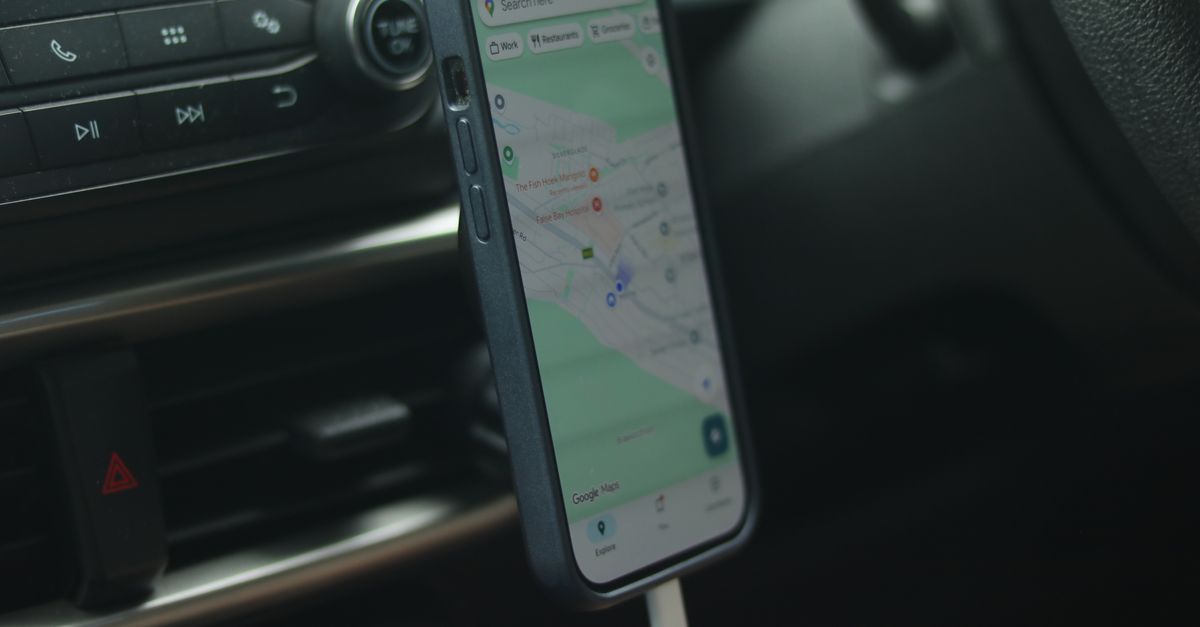
Can Mileage Apps Automatically Classify Business vs. Personal Drives?
Yes, modern mileage apps separate business and personal drives automatically using a quick swipe, work-hours schedules, and frequent-route rules. Here's how.
Yes, modern mileage apps can automatically sort your drives into business and personal without you logging anything by hand. They do it with a combination of a one-tap swipe, work-hours schedules, and frequent-route rules, so the deductible miles get separated from the everyday ones on their own. That matters because only your business miles earn the deduction, and getting the split right is what keeps your records both accurate and audit-ready.
Why Classification Matters
The IRS only lets you deduct miles driven for a business purpose. Your grocery run and school drop-off don't count; the drive to a client, a job site, or a delivery does. At 72.5 cents per mile in 2026, every business mile is worth real money, but claiming personal miles as business is exactly the kind of error that draws scrutiny. Good classification protects your deduction in both directions: you capture everything you're owed, and nothing you're not.
If you're still deciding whether an app is worth it at all, our guide on whether you really need a mileage tracking app is a good starting point.
The Three Ways Apps Classify Drives
Automatic classification isn't magic. It's a few sensible rules working together.
1. A One-Tap Swipe
After a trip is detected, you swipe it business or personal. It takes a second, and the app remembers your choices to get smarter over time. This is the manual safety net that backs up the automatic rules below.
2. Work-Hours Schedules
You tell the app when you work (say, 9 to 5 on weekdays). Drives that start inside those hours are classified as business automatically, and drives outside them as personal. For anyone with a regular schedule, this alone handles the majority of trips with zero effort.
3. Frequent-Route Rules
When you drive the same route repeatedly (home to a job site, office to a client), the app learns it. Once a route has a known purpose, every future trip along it is classified the same way the moment it's detected. The more you drive, the less you touch.
Automatic Beats Manual, and It's More Accurate
Apps that make you tap "start" before each drive don't really classify anything; they just hope you remember. The trouble is that a forgotten trip is an unclassified trip, and an unclassified trip is a lost deduction. We break down the trade-offs across the popular tools in our mileage tracker alternatives comparison.
Background detection plus rule-based classification is both less work and more reliable, because the decision happens automatically every time, not only on the days you remember.
You're Always in Control
Automatic doesn't mean hands-off in a way that risks your return. Every classified trip is yours to review, and you can re-swipe anything the rules got wrong before you export. The result is a complete, correctly-sorted log: the foundation you need to prove your mileage to the IRS if it ever comes to that.
Let Smart Miles Do the Sorting
Smart Miles brings all three methods together: it detects every drive in the background, applies your work hours and frequent routes automatically, and leaves the quick swipe for anything new. You get a clean business-vs-personal split without keeping a logbook. It's free for up to 40 drives a month, or $5.99/mo ($59.99/yr) for unlimited tracking. See how automatic tracking works and let the classification take care of itself.
Related articles

The Longest-Lasting Cars: 25 Vehicles Most Likely to Reach 250,000 Miles
The cars most likely to hit 250,000 miles, from a study of nearly 400 million vehicles, plus what all those business miles are worth at tax time.
How DoorDash and Gig Workers Track Mileage for Taxes
Delivery apps only report a fraction of your miles. Here's how DoorDash, Uber, and Instacart drivers track every deductible mile automatically for taxes.
What's the Easiest Way to Track Mileage for Work?
The easiest way to track mileage for work is an app that logs every drive automatically with GPS, no buttons, no spreadsheets, no forgotten trips.
Stop leaving money on the road.
Every mile you don't track is a deduction you don't claim. Start tracking automatically today.